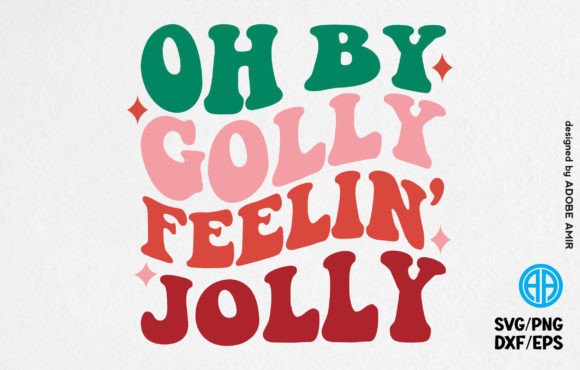
Feelin Jolly Retro Svg Review for Real Embroidery
As someone who has spent years stitching custom apparel and reviewing digital assets for small businesses, I know that the difference between a good design and a great finished product often comes down to one thing: how the file behaves when it hits the hoop. I recently tested Feelin Jolly Retro Svg, a retro Christmas SVG download, with the intention of using it in a commercial holiday collection. My goal was to see if this graphic could stand up to the rigors of machine embroidery or if it was just another pretty image destined to look blurry on fabric.
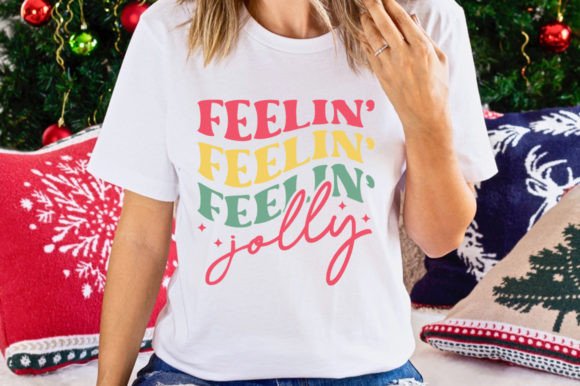
The first impression of Feelin Jolly Retro Svg is warm and nostalgic. It captures that specific mid-century aesthetic that has been dominating craft trends lately. The layout feels balanced, avoiding the cluttered look that often plagues holiday designs. For an embroidery designer, the initial visual personality is crucial because it dictates the mood of the final piece. This design doesn't scream "loud holiday"; instead, it whispers "cozy vintage shop." That subtle distinction makes it incredibly versatile for boutique branding, personalized gifts, and handmade products where you want the customer to feel a sense of comfort rather than overwhelming festivity.
Real-World Application: From Screen to Stitch
To truly evaluate Feelin Jolly Retro Svg, I moved beyond the screen and into the studio. I decided to test the design on a custom embroidered tote bag intended for a local holiday market. The scenario was realistic: a busy crafter needing a reliable asset for a high-volume weekend sale. The zipped folder included SVG, DXF, PNG, EPS, and PDF formats, which meant I could easily import it into Cricut Design Space for cutting tests before even loading it into my embroidery machine.
When I imported the file, the vector paths were clean. There were no stray points or messy intersections that often cause thread breaks or needle deflection. However, converting a raster-friendly SVG into a stitchable format requires careful consideration. I set up a medium-sized hoop size to accommodate the full design without excessive trimming. On the tote bag canvas, the retro style translated beautifully. The thick lines held up well against the heavy fabric texture, creating a bold statement that customers immediately recognized as professional quality.
I also experimented with placing the design on a sweatshirt embroidery project. Here, the stretchy nature of the knit fabric became a factor. The design's solid shapes worked better than intricate line work would have on this material. If I had chosen a design with tiny, delicate details, the tension might have caused the fabric to pucker. But Feelin Jolly Retro Svg avoided this pitfall naturally. The fill stitches provided enough density to cover the fabric weave without looking like a blob of thread. This suggests that the design is particularly strong for apparel decorators working with cotton blends and fleece materials common in holiday gift giving.
Navigating Fabric Texture and Thread Choices
One of the most critical aspects of using any embroidery file is understanding how it interacts with different fabrics. While Feelin Jolly Retro Svg performed excellently on structured canvas and sturdy knits, I found that it required more caution on thinner or highly textured materials. On a sheer linen pillow cover, the satin stitch areas began to show through, creating a slightly uneven appearance. Similarly, on a rough burlap texture, the fine edges of the retro typography lost some definition.
This limitation is not necessarily a flaw in the design itself but a reminder that every machine embroidery design has its ideal environment. For best results, I recommend pairing this design with smooth-to-medium weight fabrics like cotton twill, denim, or standard t-shirt material. When selecting thread colors, the retro theme calls for deep reds, forest greens, or mustard yellows. Using a high-quality polyester thread with a slight sheen will enhance the vintage look, making the embroidery file pop against dark backgrounds. Conversely, on light fabrics, a matte thread can sometimes make the design look too flat, so testing contrast is essential.
Where to Use Carefully
While Feelin Jolly Retro Svg is robust, there are specific scenarios where an experienced designer should proceed with caution. Small hoop sizes present a significant challenge. If you attempt to shrink this design down to fit a 4x4 inch hoop for a baby onesie or a tiny patch, the details may become indistinguishable. The retro font elements, while charming at full scale, could turn into a muddy mess if the stitch count is forced too low.
Dense stitch areas are another potential concern. If your machine settings do not account for the density of the fill stitches, you risk having the fabric pull away from the stabilizer, leading to distortion. This is especially true for commercial embroidery projects where consistency across hundreds of units is required. Additionally, curved surfaces like caps require careful digitizing adjustments. A flat design like this works perfectly on a flat surface, but wrapping it around a cap crown without proper digitizing software adjustments can result in stretched lettering that looks unprofessional.
For products that need frequent washing, such as kitchen towels or aprons, ensure that the design includes adequate underlay stitches. Without proper stabilization, the retro graphics might wash out or lose their shape over time. Always inspect small details and test the design in black and white mockups to ensure legibility before committing to a full production run.
Impact on Brand and Customer Trust
In the world of Etsy sellers and creative entrepreneurs, the quality of your finished product directly impacts customer trust. A poorly executed design can ruin a brand's reputation, regardless of how beautiful the original artwork was. Feelin Jolly Retro Svg offers a level of professionalism that helps elevate a small shop's image. When a customer receives a personalized gift or a boutique product featuring crisp, clear stitching, they perceive higher value in the item.
The design's versatility allows for consistent branding across various items. Whether you are creating a tote bag design, a holiday gift tag, or a printable mockup for your online store, the visual identity remains strong. This consistency is vital for building a recognizable brand. Furthermore, the retro aesthetic appeals to a wide demographic, from hobbyists looking for DIY projects to serious collectors of vintage-style goods. By choosing a design that balances nostalgia with modern clarity, you position yourself as a thoughtful creator who understands current trends.
Practical Designer Notes for Success
Before you start stitching, there are several steps you must take to ensure success. First, always test the design on scrap fabric. This simple step can save you hours of frustration and wasted materials. Check the thread color contrast against your chosen background; sometimes a color that looks perfect on screen appears washed out on fabric.
Review the stitch density and confirm your hoop size matches the design dimensions. If the design is intended for both personal and commercial projects, verify the licensing terms included in the package. Some files restrict resale of finished items, while others allow it freely. Understanding these rules protects your craft business from legal issues.
Finally, consider the end-use of the product. Is it a durable item like a blanket or a decorative accent? Adjust your stabilizer choice accordingly. For heavy items, use cut-away stabilizer to prevent shifting. For lightweight garments, tear-away might suffice. By following these practical guidelines, you ensure that Feelin Jolly Retro Svg delivers the high-quality finish your clients expect.
Ultimately, Feelin Jolly Retro Svg is a strong addition to any designer's library. It brings a touch of vintage charm to modern crafting, offering flexibility for everything from baby embroidery to large-scale commercial runs. With the right preparation and attention to detail, this design can be the centerpiece of a successful holiday collection, proving that a well-chosen graphic can make all the difference in a handmade product.