Oh by Golly Feelin Jolly Retro SVG Review
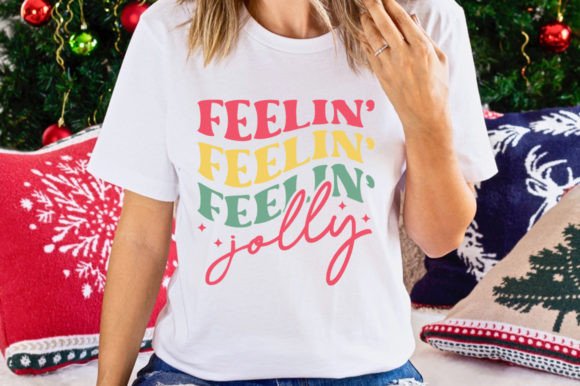
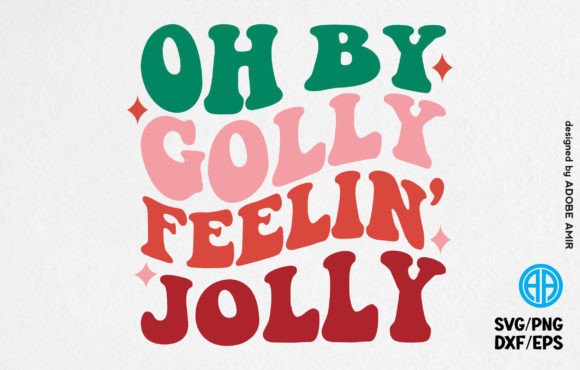
When I first opened the folder for Oh by Golly Feelin Jolly Retro SVG, my immediate reaction wasn't about the file formats or the technical specs. It was about the vibe. There is a specific energy in retro typography that, when executed correctly, can elevate a simple piece of fabric into a statement piece. As someone who has spent years reviewing design assets for commercial embroidery projects, I look past the pretty preview image to see how the design actually behaves under the needle. This design carries a distinct mid-century charm that feels both nostalgic and fresh, making it a strong contender for holiday collections and boutique merchandise.
The layout creates an instant mood. The phrase "Feel Jolly" suggests warmth, cheer, and a touch of vintage whimsy. In a market saturated with generic snowflakes and reindeer, this text-based approach offers a different kind of visual appeal. It relies on personality rather than complex imagery, which often translates better in embroidery where fine details can get lost in the stitching process. For a designer looking to create a cohesive brand identity, this asset provides a solid foundation for a collection that feels curated rather than mass-produced.
Real-World Application: From Screen to Stitch
Let's talk about how this design performs when moved from a digital mockup to a real-world product. Imagine you are preparing for the upcoming holiday season and need a custom embroidered tote bag for a local craft fair. You have the Oh by Golly Feelin Jolly Retro SVG ready to go. The retro aesthetic pairs beautifully with canvas or heavy cotton blends. When stitched onto a natural-colored tote, the design pops without needing a massive amount of background fill. It becomes a focal point that customers can read clearly even from across the room.
I also envision this design working exceptionally well on sweatshirts and hoodies. The chunky, playful nature of the lettering stands up well against the texture of fleece or French terry. Unlike delicate script fonts that might disappear on thick knit fabrics, this retro style maintains its integrity. However, placement is key. On a garment, you want to avoid placing it too close to seams or pockets where the hoop pressure might distort the stitching. A centered chest placement on a crewneck sweatshirt allows the design to breathe, ensuring the "jolly" sentiment comes through loud and clear.
Beyond apparel, this design is versatile enough for home decor items like kitchen towels or pillow covers. The transparency of the PNG file mentioned in the description is a huge plus here. It means you can easily visualize the design over different fabric backgrounds before committing to the thread spools. Whether you are creating a personalized gift for a grandmother or a boutique product for a small shop, the clean lines allow for high contrast with almost any color palette.
Navigating Technical Challenges
While the artistic direction is strong, every experienced designer knows that the devil is in the details. If you plan to use this as a machine embroidery design, you must consider the stitch density. Retro fonts often rely on bold strokes, but if the digitization includes too much fill stitch, it can create a stiff, uncomfortable feel on the finished product. Before running a full production batch, always test the design on scrap fabric. Pay close attention to how the corners of the letters hold up; rounded edges are generally safer for embroidery than sharp points, which can sometimes pull or tear during the hooping process.
Fabric texture plays a significant role in the final outcome. On stretchy knits, such as those found in baby clothes or fitted caps, you will need to be extra vigilant with stabilizer usage. Without adequate backing, the tension of the stitches could cause the fabric to pucker, ruining the crispness of the retro font. For these applications, a cut-away stabilizer is usually the best choice to maintain stability over time, especially for items that will undergo frequent washing.
There are also limitations to keep in mind regarding hoop size. If you intend to produce small embroidered patches or accessories, check the dimensions of the design carefully. While the vector files (SVG, EPS, DXF) allow for scaling, shrinking a design too much can result in tiny lettering that becomes illegible once stitched. Tiny gaps between letters may also fill in with thread, turning distinct characters into a blob. If you are targeting a niche market like baby onesies, ensure the scaled-down version retains enough clarity to be recognizable as the original quote.
Impact on Brand and Customer Trust
In the world of handmade products and Etsy selling, visual consistency builds trust. A design like Oh by Golly Feelin Jolly Retro SVG helps establish a professional look because it avoids the cluttered appearance of poorly digitized images. When a customer receives a personalized gift or purchases a boutique item, the quality of the embroidery reflects directly on your brand. Clean stitches and legible text signal that care was taken in the creation process.
This design also enhances the perceived value of the finished product. A well-executed retro slogan on a high-quality apron or tote bag feels like a premium item, justifying a higher price point compared to generic stamped designs. For craft business owners, this means more than just a sale; it means repeat customers who appreciate the aesthetic and craftsmanship. The design acts as a conversation starter, inviting buyers to engage with the story behind the words and the maker behind the machine.
However, it is crucial to remember that the file itself is just a starting point. The success of the project depends on your execution. You must verify the licensing terms before selling finished items made from this design. Some creators offer personal use licenses only, while others allow commercial sales. Assuming permission based on the availability of the file is a common mistake that can lead to legal issues down the line. Always read the fine print provided by the creator to ensure you are compliant with their terms for digital product sellers and small shop owners.
Practical Tips for the Embroidery Designer
- Thread Color Contrast: Test your chosen thread colors against the fabric before stitching the final piece. A dark retro font on a black background might lose definition, so opt for lighter threads or a contrasting fabric base to ensure readability.
- Stabilizer Selection: Match your stabilizer to the weight of the fabric. Lighter fabrics require lightweight stabilizers to prevent bulk, while heavier materials like denim or canvas need sturdy backing to support the stitch density.
- Mockup Testing: Use printable mockups to visualize the design on various products. Seeing the Oh by Golly Feelin Jolly Retro SVG on a white mug versus a navy blue hoodie can help you decide which products will yield the best results.
- Detail Inspection: Zoom in on the digital file to inspect small details. Ensure there are no stray lines or artifacts that could translate into unwanted stitches or thread breaks.
- Commercial Verification: Confirm whether the design is suitable for commercial embroidery projects if you plan to sell the finished goods. Licensing varies, and compliance is essential for protecting your business.
Ultimately, Oh by Golly Feelin Jolly Retro SVG is a versatile tool in the hands of a skilled crafter. It bridges the gap between digital art and tactile craft, offering a design that is both visually striking and technically feasible. Whether you are creating holiday gifts, expanding your Etsy listings, or adding flair to your own wardrobe, this design provides a reliable foundation. By approaching the project with careful planning and attention to detail, you can transform a simple graphic into a cherished handmade product that stands out in a crowded marketplace.