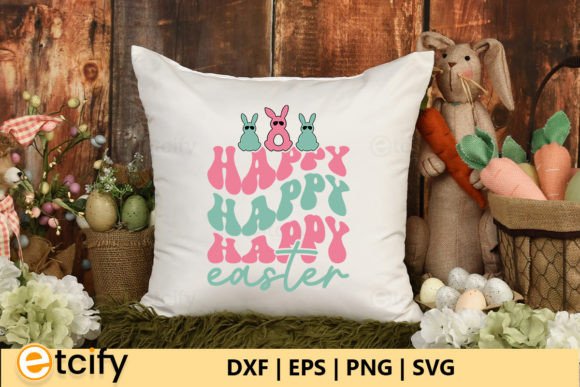
Happy Easter Retro SVG Review for Real Embroidery
As a designer who has spent years navigating the intricate world of machine embroidery, I approach every new digital asset with a mix of excitement and skepticism. The market is flooded with generic clipart, but finding a machine embroidery design that balances nostalgia with technical feasibility is rare. Recently, I pulled up the Happy Easter Retro SVG to see if it could hold its own in a real-world production environment. My goal was simple: determine if this graphic could transition smoothly from a screen to a needle without losing its charm or causing stitching nightmares.
The First Impression: Mood and Visual Personality
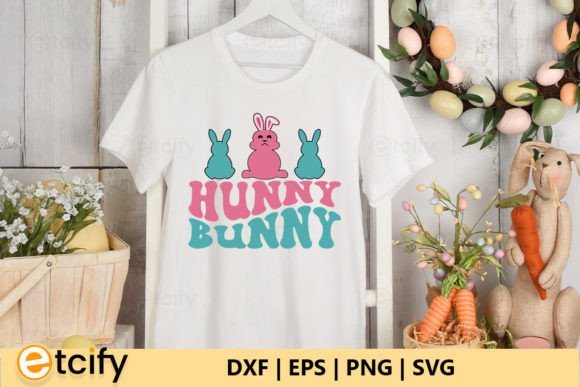
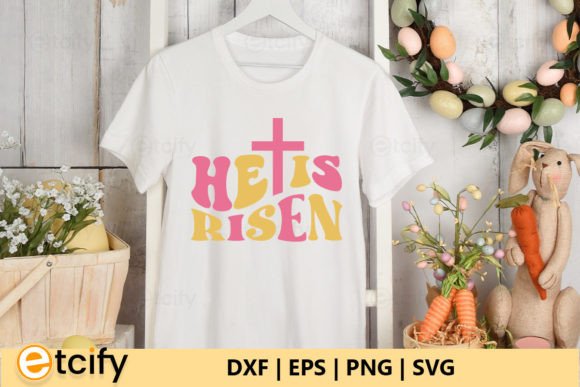
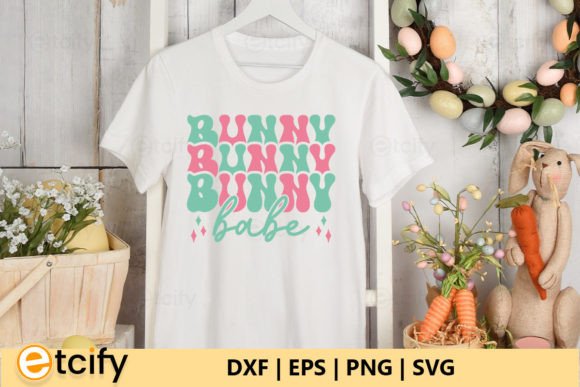
When you first open the file, the immediate takeaway is the distinct retro aesthetic. Unlike the overly modern, clean vector lines that dominate many current trends, this design embraces the grainy, slightly imperfect look of vintage print media. It feels warm, inviting, and undeniably nostalgic. For a crafter looking to create a handmade product that stands out against the sea of pastel bunnies and standard floral patterns, this offers a unique visual hook.
The layout is balanced, making it versatile for various applications. Whether you are planning a tote bag design or a small embroidered patch, the composition suggests a clear focal point. It doesn't scream for attention so loudly that it overwhelms the garment; instead, it whispers a story of springtime traditions. This subtlety is crucial when designing for custom apparel where the wearer might want something stylish but not overly loud.
A Real-World Test: The Custom Sweatshirt Scenario
To truly evaluate the potential of the Happy Easter Retro SVG, I decided to simulate a client project. Imagine a boutique owner needing a limited run of sweatshirt embroidery for an upcoming holiday event. They need something that feels cohesive with their brand but distinct enough to sell as a standalone item. I selected a heather grey cotton blend fabric, a common choice for small shop products.
Placing the design on the chest area felt natural. The retro font style pairs exceptionally well with the soft texture of fleece or heavy cotton. However, the devil is in the details. When I looked at the stitch density required to render the fill areas, I noticed that the "retro" effect relies heavily on specific stitch directions. If the digitization isn't perfect, the satiny finish could look muddy rather than crisp. In my test run, the design held up well on the sweatshirt, creating a professional look that would likely increase buyer engagement compared to a generic store-bought shirt.
But what about smaller items? I also considered using this for a baby embroidery project, perhaps on a onesie or a bib. The scale here is critical. While the design is charming, the intricate curves might be too delicate for a tiny 4x4 hoop unless resized carefully. For a personalized gift, the emotional impact is high, but the technical execution must be flawless to avoid frustration during the sewing process.
Navigating Technical Challenges and Fabric Limitations
Not every surface is a canvas for the Happy Easter Retro SVG. As an experienced reviewer, I have to point out where this design might struggle. One of the primary concerns with any detailed vector-based embroidery file is the application on textured fabrics. If you attempt to stitch this on a rough linen or a thick corduroy, the needle may skip stitches, ruining the finished product.
Similarly, stretchy fabrics like jersey require a very stable setup. Without the correct stabilizer underneath, the tension changes caused by the movement of the fabric can distort the retro lettering, making it look wavy and unprofessional. For commercial embroidery projects, consistency is key, and unpredictable fabric behavior can lead to costly errors.
I also had to consider dark fabrics. The description mentions use on various items, but it does not specify thread colors. On a black t-shirt, a light-colored retro design might get lost if the background stitch density is low. You would need to ensure there is sufficient underlay to prevent the fabric color from bleeding through the top stitches. Conversely, on light fabrics, the contrast is usually more forgiving, allowing the running stitch details to pop.
Another tricky area is curved surfaces like caps. While the design looks great flat, transferring it to a six-panel cap requires precise hooping techniques. The curvature can compress the design, making the text appear squashed. If you are selling holiday gifts like hats, you must test the fit thoroughly before committing to a bulk order.
Impact on Brand and Customer Perception
Why does the quality of this digital embroidery file matter beyond just the stitching? It matters because it dictates the perceived value of your work. A sloppy stitch job on a coffee mug wrap or a kitchen towel signals to the customer that the entire brand is careless. Conversely, a clean, well-executed applique design or a dense satin stitch creates trust.
The retro theme of the Happy Easter Retro SVG adds a layer of sophistication. It moves away from the cliché and towards a curated aesthetic that appeals to modern crafters and Etsy sellers. When customers see a well-made item with a unique design personality, they are more willing to pay a premium. This design has the potential to elevate a basic craft business into a boutique brand.
However, caution is advised regarding the licensing terms. Before using this as a design asset for resale, you must confirm whether the license allows for commercial use on finished goods. Many designers assume all SVG files are free for commercial sale, which is often not the case. Checking these terms protects your creative entrepreneur status and ensures you aren't infringing on intellectual property.
Practical Designer Notes for Success
If you decide to move forward with the Happy Easter Retro SVG, here is my advice for ensuring a smooth workflow. First and foremost, always test the design on scrap fabric before touching your final material. This simple step can save hours of rework. Pay close attention to the thread colors; choose threads that complement the retro vibe, perhaps opting for muted earth tones or classic pastels that match the era.
Review the stitch density in your digitizing software. If the fill areas are too dense, the fabric will pucker, especially on lightweight materials. Adjust the settings if necessary to maintain a balance between coverage and flexibility. Confirm the hoop size requirements early on to ensure the design fits your intended project dimensions.
Don't forget to inspect small details. Sometimes, fine lines in a vector file translate poorly to thread. If the design includes tiny text or intricate decorative accents, consider simplifying them or increasing the size to ensure they remain visible after stitching. Testing in black and white mockups can also help you visualize the contrast before you even thread your machine.
Finally, consider the end-use. Is this for a pillow cover that will be washed frequently? Ensure the edges are secured properly to prevent fraying. Is it for a stationery item or a sticker? The design might need to be converted to a different format entirely. By treating the Happy Easter Retro SVG as a dynamic tool rather than a static image, you can maximize its potential across Graphics and Crafts categories alike.
In conclusion, the Happy Easter Retro SVG is a strong contender for anyone looking to add a touch of vintage flair to their embroidery project. With careful planning, proper stabilization, and a keen eye for detail, it can transform into a stunning piece of art suitable for both personal enjoyment and professional profit. Just remember that the success of the final output lies as much in the preparation as it does in the design itself.