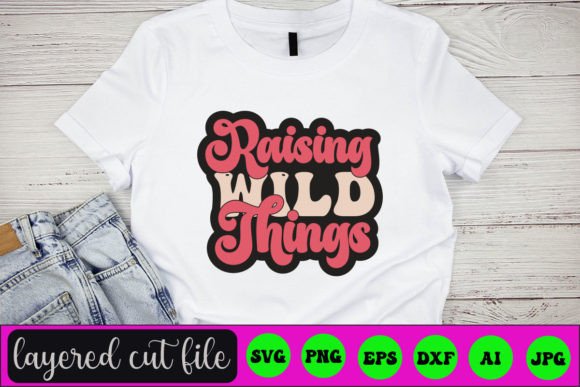
Raising Wild Things Retro SVG Review
When I first opened the folder for RAISING WILD THINGS RETRO SVG, I didn't just see a collection of files; I saw a specific kind of nostalgia. As someone who spends hours troubleshooting stitch density and selecting thread colors, my first impression is less about the aesthetic and more about the utility. This design carries a distinct retro energy that feels perfectly suited for modern handmade goods, but like any good designer knows, the devil is in the execution. The prompt mentions it includes an SVG, PNG, JPG, EPS, DXF, and AI file, which suggests versatility across both digital printing and physical stitching, though the core of this review focuses on how this embroidery project translates from screen to fabric.
The Mood and Visual Personality
The name itself sets the stage. "Raising Wild Things" evokes a sense of spirited parenting, outdoor adventure, or perhaps a love for nature's untamed side. Visually, a design with this title usually implies organic shapes, perhaps stylized animals, foliage, or bold typography that mimics vintage signage. In the context of a machine embroidery design, the retro vibe often means thick outlines and chunky fills rather than delicate, hairline details. This is a crucial distinction because it dictates where this design can live successfully.
I imagine this piece landing beautifully on a heavy cotton tote bag or a thick fleece sweatshirt. The visual personality here isn't about subtlety; it's about making a statement. For an Etsy seller or a boutique owner, this kind of strong visual identity is gold. It cuts through the noise of generic clip art and offers customers something that feels curated and intentional. However, the "retro" aspect also brings challenges regarding how the design handles different fabrics and stitch types.
Real-World Application: The Custom Sweatshirt Scenario
Let's walk through a real-life scenario to understand the practical value of RAISING WILD THINGS RETRO SVG. Imagine you are preparing a custom order for a client who wants a personalized gift for a new parent who loves camping. You decide to embroider this design onto a unisex hoodie. The goal is to create a product that feels premium, durable, and emotionally resonant.
In this scenario, the layout of the design becomes critical. If the design features intricate details meant for a small patch, placing it on a large sweatshirt chest might look lost. Conversely, if it is a large graphic intended for the back of a shirt, shrinking it down for a baby onesie could result in muddy stitching. The design assets provided—specifically the vector formats like EPS and AI—are excellent for resizing without losing quality, allowing you to test how the elements interact at different scales before you ever touch the hoop.
For a finished product like this, the customer trust factor is high. A well-executed retro design on a soft garment signals quality craftsmanship. It moves beyond a simple logo into a piece of wearable art. When a buyer receives a hoodie with this specific motif, they aren't just getting clothing; they are buying into the lifestyle implied by the design. This is exactly the kind of handmade product that thrives in craft fairs and online marketplaces where storytelling matters as much as the item itself.
Performance on Fabric and Stitching Clarity
Now, let's get technical. How does this design actually perform under the needle? The success of any embroidery file depends heavily on the balance between satin stitches and fill stitches. A retro style often relies on bold borders, which require tight satin stitching to maintain their shape. If the digitization isn't perfect, these edges can pucker, especially on stretchy fabrics like jersey or lightweight knits.
If you are planning to use this for custom apparel such as t-shirts or caps, you need to be mindful of the fabric texture. On a smooth, tightly woven polo, the design will pop with crisp definition. However, on a textured fabric like a heavy canvas tote or a slubby linen apron, the threads might not lay flat, potentially obscuring fine details. This is why testing on scrap fabric is non-negotiable. You must verify that the stitch density is appropriate for the material. Too dense, and the fabric puckers; too loose, and the underlying material shows through, ruining the retro aesthetic.
Consider the color palette as well. The description mentions suitability for "rainbow mugs," implying vibrant colors might be part of the original intent. In embroidery, thread contrast is everything. If your background fabric is dark, ensure the thread colors selected for RAISING WILD THINGS RETRO SVG have enough opacity to stand out. A light gray thread on a navy blue shirt might disappear, defeating the purpose of the design. Always check your thread choices against the fabric swatch before starting the machine.
Where to Exercise Caution
While this design has broad appeal, there are specific situations where it requires careful consideration. Small hoop sizes are a major constraint. If the design contains tiny lettering or very fine decorative accents, attempting to fit it into a 4x4 inch hoop could result in a cluttered mess. The eye needs space to appreciate the retro details, so larger areas like the back of a jacket or the front of a pillow cover are safer bets than a cap brim or a baby bib.
Additionally, avoid using this on thin, stretchy fabrics unless you are using a heavy-duty stabilizer. Stretchy materials tend to distort under the tension of the needle, causing the design to shift or warp. For curved surfaces like caps, the curvature can make straight lines appear wavy if the design isn't optimized for that specific curve. Similarly, if the product will undergo frequent washing, ensure the stitch density is robust enough to withstand abrasion without fraying.
Practical Notes for Designers and Sellers
Before you commit to a production run, there are several steps every professional should take. First, inspect the small details in the vector files. Sometimes, when converting from a raster image to a vector format (or vice versa), tiny corners can become jagged or lose their intended sharpness. Use the included AI or EPS files to zoom in and verify that all paths are closed and clean.
Another vital step is confirming the licensing terms. While the product listing describes the file contents, it does not explicitly state whether you can sell the finished items or if the digital file itself is restricted. As a commercial embroidery artist, you cannot risk selling a finished product based on a design that prohibits commercial use. Always read the license agreement carefully to protect your business.
Finally, consider the presentation. For an Etsy seller or a small shop product line, creating printable mockups of this design on various backgrounds can help visualize the final outcome. Seeing the RAISING WILD THINGS RETRO SVG on a white tee versus a black hoodie helps you market the right version to the right audience. It also allows you to gauge how the design fits within your brand's overall aesthetic consistency.
In conclusion, RAISING WILD THINGS RETRO SVG appears to be a versatile asset for anyone looking to add character to their craft business. Its retro charm makes it suitable for a wide range of projects, from holiday gifts to boutique branding. However, its success ultimately hinges on your attention to detail during the digitization and stitching process. By respecting the limitations of the fabric, choosing the right stabilizer, and verifying the file integrity, you can transform this digital download into a stunning, high-value embroidery project that customers will love.