Feeling Lucky Mirrored Text Retro Svg Review
When I first opened the file for Feeling Lucky Mirrored Text Retro Svg, my immediate thought wasn't about the technical specs or the vector formats included. Instead, I was struck by the specific mood it projects. There is a distinct "retro groovy" energy that feels perfectly timed for spring and St. Patrick's Day, but with enough character to stand out in a crowded market of holiday designs. As someone who has spent years refining embroidery files for client projects, I know that a design's true value isn't just in how it looks on a screen, but how it translates into thread on fabric. This review breaks down exactly how this design performs when moving from a digital asset to a tangible, stitched product.
The First Impression: Mood and Visual Personality
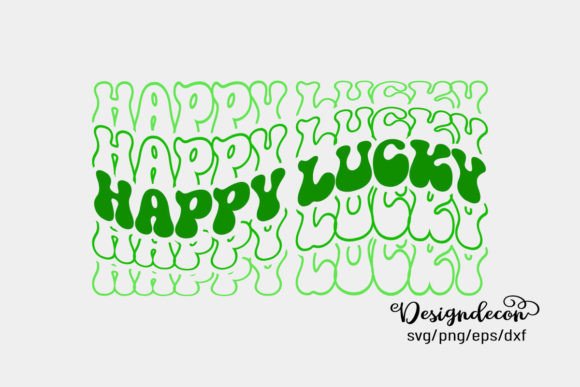
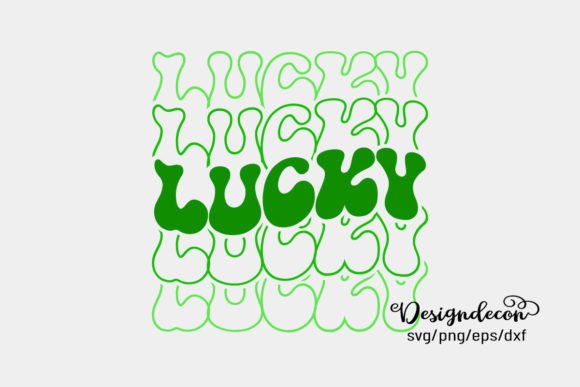
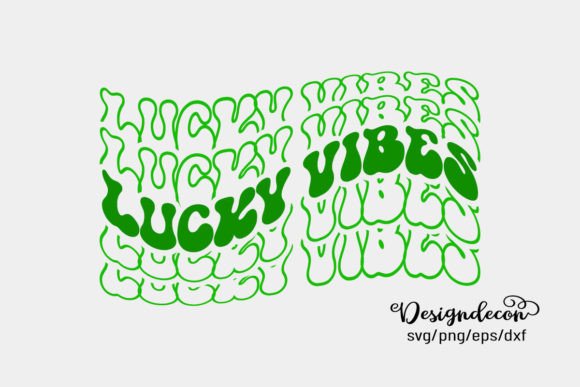
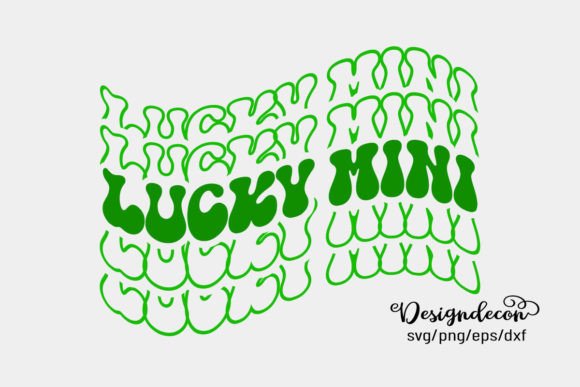
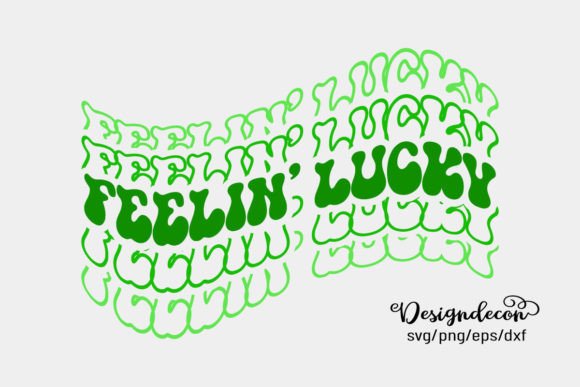
The mirrored text layout creates an instant sense of symmetry that draws the eye, while the retro typography evokes a nostalgic 70s vibe without feeling dated. For a designer looking to create a cohesive collection, this piece offers a unique personality. It strikes a balance between playful and polished. The curves in the lettering suggest movement, which is excellent for garments like sweatshirts or tote bags where the fabric might drape naturally. Unlike rigid block letters that can look stiff under satin stitch, the rounded edges of Feeling Lucky Mirrored Text Retro Svg promise a softer, more organic finish once stitched.
In terms of visual appeal, the design relies heavily on its shape and negative space. When converting this to an embroidery file, the mirrored aspect requires careful planning regarding the direction of the stitching flow. If the design includes fill stitches, the grain line will need to follow the curvature of the letters to avoid puckering. This is where the "easy to color change" feature mentioned in the product description becomes vital. A professional designer needs the flexibility to swap thread colors instantly to match a brand palette or a specific customer request, ensuring the final embroidery project feels bespoke rather than mass-produced.
Real-World Application: From Screen to Stitch
Let's imagine a real scenario. You are preparing a custom order for a local boutique that wants a limited run of aprons for their St. Patrick's Day sale. They want something fun but durable enough to survive a busy kitchen shift. You decide to use Feeling Lucky Mirrored Text Retro Svg on heavy cotton canvas aprons. The mirrored text works beautifully here because the central axis of the design aligns perfectly with the center of the chest area on the apron.
However, not all fabrics play nice with every design. In this specific case, the retro style pairs exceptionally well with textured fabrics like denim or corduroy, adding depth to the vintage aesthetic. But if you were to try this on a stretchy baby onesie, you would need to be cautious. While the design is scalable, the density of the lines in the mirrored text could cause issues if the hoop size is too small or if the stabilizer isn't robust enough. For custom apparel like t-shirts, the design shines, particularly when paired with a simple running stitch outline to soften the edges against the knit fabric.
I also considered using this design for embroidered patches. The clean lines of the mirrored text make it a strong candidate for applique work, where the background fabric is cut away and the text is stitched over. The "groovy" theme fits perfectly for holiday embroidery items, whether they are intended as gifts or as merchandise for a craft fair. The versatility allows it to transition easily from a personal gift for a grandmother to a commercial item sold in an Etsy shop.
Where Caution is Required
While the design is versatile, there are specific scenarios where Feeling Lucky Mirrored Text Retro Svg demands extra attention. Small hoop sizes are the biggest challenge here. If you attempt to stitch this on a cap or a tiny baby bootie, the mirrored symmetry might get lost, or the text could become illegible due to the reduction in scale. Embroidery machines have limits on how fine they can render details, and complex mirrored curves often require larger stitch counts to maintain clarity.
Textured or thin fabrics present another hurdle. On a sheer fabric, the density of the fill stitches required to cover the text might show through to the back, creating an unsightly mess. Similarly, on very stretchy materials like athletic wear, the tension of the threads could distort the mirrored shape if proper stabilizers aren't used. Dark fabrics also require a decision: do you want a dense underlay to prevent the fabric color from bleeding through the thread? Without the correct setup, the retro colors might appear muddy rather than vibrant.
Furthermore, products that undergo frequent washing, such as kitchen towels or daily-wear aprons, need to be tested thoroughly. The durability of the design depends heavily on the stitch density and the quality of the thread. If the design is too tight, it can pull the fabric; if it's too loose, it may snag. Always inspect the small details and decorative accents before sending them off for production.
Impact on Product Value and Brand Consistency
A well-executed design elevates the perceived value of a handmade product. When a customer receives a tote bag or a sweatshirt featuring Feeling Lucky Mirrored Text Retro Svg, the professionalism of the stitching speaks volumes about the maker. Consistent thread colors, clean edges, and proper alignment build trust and encourage repeat business. For an Etsy seller or a small shop owner, having a library of high-quality design assets like this is crucial for maintaining a cohesive brand identity.
The retro theme also taps into current consumer trends. People are drawn to nostalgia, and a design that feels both modern and vintage often sells better than generic holiday graphics. However, this only holds true if the execution is flawless. A poorly stitched version of a great design can damage a reputation just as quickly as a good one can build it. Therefore, reviewing the stitch density and checking the design in black and white mockups is a non-negotiable step before finalizing any finished product.
Practical Designer Notes for Success
Before you commit to a full production run, here is my checklist for working with this file:
- Test on Scrap Fabric: Always run a test stitch on a scrap piece of your actual fabric to check for puckering or distortion.
- Check Thread Contrast: Ensure the chosen thread colors provide enough contrast against the fabric, especially for the mirrored sections.
- Review Stitch Density: Look at the density settings in your software. High-density areas might need to be adjusted to prevent needle breakage or fabric damage.
- Confirm Hoop Size: Verify that your machine's hoop can accommodate the full width of the mirrored design without cutting off the edges.
- Inspect Small Details: Zoom in on the file to ensure no tiny corners are missing or jagged before digitizing.
- Test Light and Dark Backgrounds: Create mockups for both light and dark fabrics to see how the design adapts to different contexts.
- Use Proper Stabilizer: Select a stabilizer that matches the weight and stretch of your fabric to support the design during stitching.
- Verify Licensing: Confirm whether the license allows for commercial use if you plan to sell the finished items or the digital file itself.
Ultimately, Feeling Lucky Mirrored Text Retro Svg is a strong contender for anyone looking to add a touch of vintage charm to their embroidery file collection. Whether you are crafting personalized gifts, expanding your craft business inventory, or creating unique commercial embroidery pieces, this design offers a solid foundation. Just remember that the magic happens in the details—the choice of thread, the stability of the fabric, and the precision of the machine all contribute to the final result. With a little pre-planning and a keen eye for detail, this design can transform from a simple graphic into a cherished handmade treasure.